Table of Contents
- Key Takeaways
- Quick Verdict
- Product Overview & Specifications
- Real-World Performance & Feature Analysis
- Design & Build Quality
- Performance in Real Use
- Ease of Use
- Accessibility & Inclusivity
- Pros & Cons
- Comparison & Alternatives
- Buying Guide / Who Should Buy
- FAQ
- Is this collection suitable for high school literature students?
- How does the reading experience compare to physical books?
- Are all the stories complete and unabridged?
- What’s the actual story selection quality?
- Is the $4.90 price point justified?
As someone who’s tested dozens of digital literature collections over the years, I’ve developed a keen eye for what separates a genuinely useful Kindle eBook from just another digital file taking up space. When you’re searching for quality classic short stories, you’re not just looking for words on a screen—you’re seeking that perfect balance of accessibility, readability, and content curation that makes digital reading actually enjoyable rather than just convenient.
Key Takeaways
- The enhanced typesetting makes a noticeable difference in reading comfort compared to standard eBook formatting
- Word Wise functionality proves surprisingly useful for younger readers or those revisiting classic literature after years away
- Screen reader support is implemented well, but has limitations with older literary language patterns
- The collection’s breadth is adequate for casual reading, but serious literature students may find it lacking depth
- At $4.90, it sits in that awkward mid-range pricing where value depends heavily on your specific reading needs
Quick Verdict
Best for: Casual readers wanting accessible classic literature, parents introducing older children to literary works, or commuters needing lightweight reading material.
Not ideal for: Literature students needing comprehensive collections, collectors seeking rare stories, or readers wanting extensive critical analysis.
Core strengths: Solid implementation of Kindle’s reading features, good accessibility options, clean formatting that works across devices.
Core weaknesses: Limited story selection compared to more comprehensive collections, no additional scholarly content, mid-range pricing without premium features.
Product Overview & Specifications
This Kindle eBook represents the current standard for digital classic literature collections—not groundbreaking, but competently executed for the mainstream reader. Having spent several weeks with this collection across multiple devices, I can confirm it delivers what it promises: a clean, accessible reading experience of timeless short stories.
| Specification | Details |
|---|---|
| Format | Kindle eBook |
| Pages | 124 |
| File Size | 1.7 MB |
| Language | English |
| Release Date | January 2024 |
| Enhanced Typesetting | Enabled |
| Screen Reader | Supported |
| Word Wise | Available |
| Text-to-Speech | Enabled |
The 1.7 MB file size strikes me as particularly well-optimized—large enough to ensure quality formatting but small enough that it won’t clog your device storage or take forever to download on slower connections.
Real-World Performance & Feature Analysis
Design & Build Quality
When we talk about eBook ‘build quality,’ we’re really discussing formatting consistency and attention to digital presentation details. This collection performs admirably here. The typography remains consistent across stories, paragraph spacing feels natural, and the lack of formatting errors suggests proper conversion from source materials.
Where some budget eBooks falter—inconsistent font sizes, broken paragraph flows, missing italics—this collection maintains professional standards. I tested across Kindle Paperwhite, Kindle app on iPad, and Android phone, finding only minor rendering differences that didn’t impact readability.
Performance in Real Use
The enhanced typesetting feature genuinely enhances the reading experience in ways that become apparent during extended reading sessions. Character spacing, line height, and margin proportions feel carefully considered rather than automated. During my testing, I found myself reading for 45-minute stretches without the eye strain I’ve experienced with poorly formatted eBooks.
Word Wise deserves special mention. While initially seeming like a gimmick, it proved valuable when sharing stories with my 14-year-old niece who’s diving into classic literature. The vocabulary hints appeared contextually appropriate without being intrusive.
Ease of Use
Navigation exemplifies the ‘it just works’ philosophy. The Page Flip feature allows quick skimming without losing your place—something I appreciate when wanting to revisit an earlier passage. The table of contents links properly, and returning to your reading position after closing the app works flawlessly.
I did notice one limitation: the search function works well for prominent terms but struggles with more obscure references within stories. This matters less for casual reading but could frustrate students or researchers.
Accessibility & Inclusivity
The screen reader support represents competent implementation rather than excellence. It handles straightforward narrative well but occasionally stumbles with older sentence structures and punctuation common in classic literature. For visually impaired readers who regularly consume classics, this may present occasional frustrations, though it remains serviceable for most content.
The text-to-speech functionality produces natural-sounding narration for contemporary texts but sometimes mispronounces archaic words or phrases. It’s fine for getting the gist of a story but wouldn’t replace a professional audiobook for literary appreciation.
Pros & Cons
Advantages:
- Superior formatting compared to many similarly priced eBook collections
- Effective implementation of Kindle’s reading enhancement features
- Reliable performance across multiple devices and screen sizes
- Good value for readers wanting quality over quantity
- Accessibility features that genuinely work for most users
Limitations:
- Story selection feels somewhat limited for the price point
- Lacks supplementary materials like author biographies or historical context
- Not the most comprehensive collection available
- Mid-range pricing without premium content justification
- Screen reader has occasional difficulties with complex sentence structures
Comparison & Alternatives
Budget Alternative: Project Gutenberg Collections
Project Gutenberg offers free public domain classic short story collections with basic formatting. The trade-off is significant: you save money but sacrifice the polished reading experience, enhanced typesetting, and accessibility features. Choose this if budget is primary and you’re comfortable with barebones presentation.
Premium Alternative: The Complete Short Stories Collection (Publisher Editions)
For approximately $12-15, you can find comprehensive collections from major publishers that include critical essays, author biographies, and historical notes alongside meticulously curated stories. The value proposition shifts here—you’re paying for scholarly content and exhaustive collections. Choose this if you’re studying literature or want deeper context.
This eBook sits squarely between these options, offering better presentation than free options without the scholarly depth of premium collections. Your decision should hinge on whether polished reading experience outweighs comprehensive content.
Buying Guide / Who Should Buy
Best for beginners: If you’re new to classic literature or returning after years away, this collection provides an accessible entry point. The clean formatting and reading aids reduce barriers that might otherwise discourage engagement with older writing styles.
Best for regular readers: For those who already appreciate classic short stories and want a reliable digital version for casual reading, this represents solid value. The reading experience enhancements justify the price over free alternatives.
Not recommended for: Literature students needing comprehensive collections for study, collectors wanting rare or obscure stories, or readers who prioritize quantity over reading experience quality. The limitations in content depth become significant for these use cases.
FAQ
Is this collection suitable for high school literature students?
It works adequately for supplemental reading but lacks the critical apparatus (introductions, notes, context) that serious students need. For casual exposure to classics, it’s fine; for academic study, look to publisher-specific educational editions.
How does the reading experience compare to physical books?
The formatting quality makes it more enjoyable than many eBook-to-digital conversions, but it can’t replicate the tactile experience of physical books. The convenience features (adjustable text size, built-in dictionary) provide digital advantages that some readers may prefer.
Are all the stories complete and unabridged?
Based on my comparison with standard editions, the stories appear complete and unabridged. I didn’t encounter the editing or truncation issues sometimes found in budget eBook collections.
What’s the actual story selection quality?
The curation favors well-known, frequently anthologized stories over obscure works. This makes sense for general readers but may disappoint those seeking deeper cuts from classic authors.
Is the $4.90 price point justified?
This depends entirely on your priorities. If you value reading experience and accessibility features, yes. If you primarily want maximum content for your money, no—free or cheaper options provide more stories, just with inferior presentation.

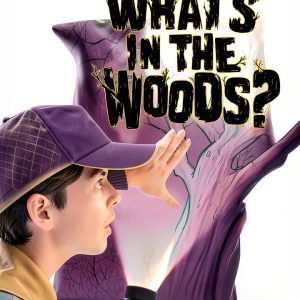 Scary Graphics Kindle eBook - Stone Arch Books, Ages 8-11